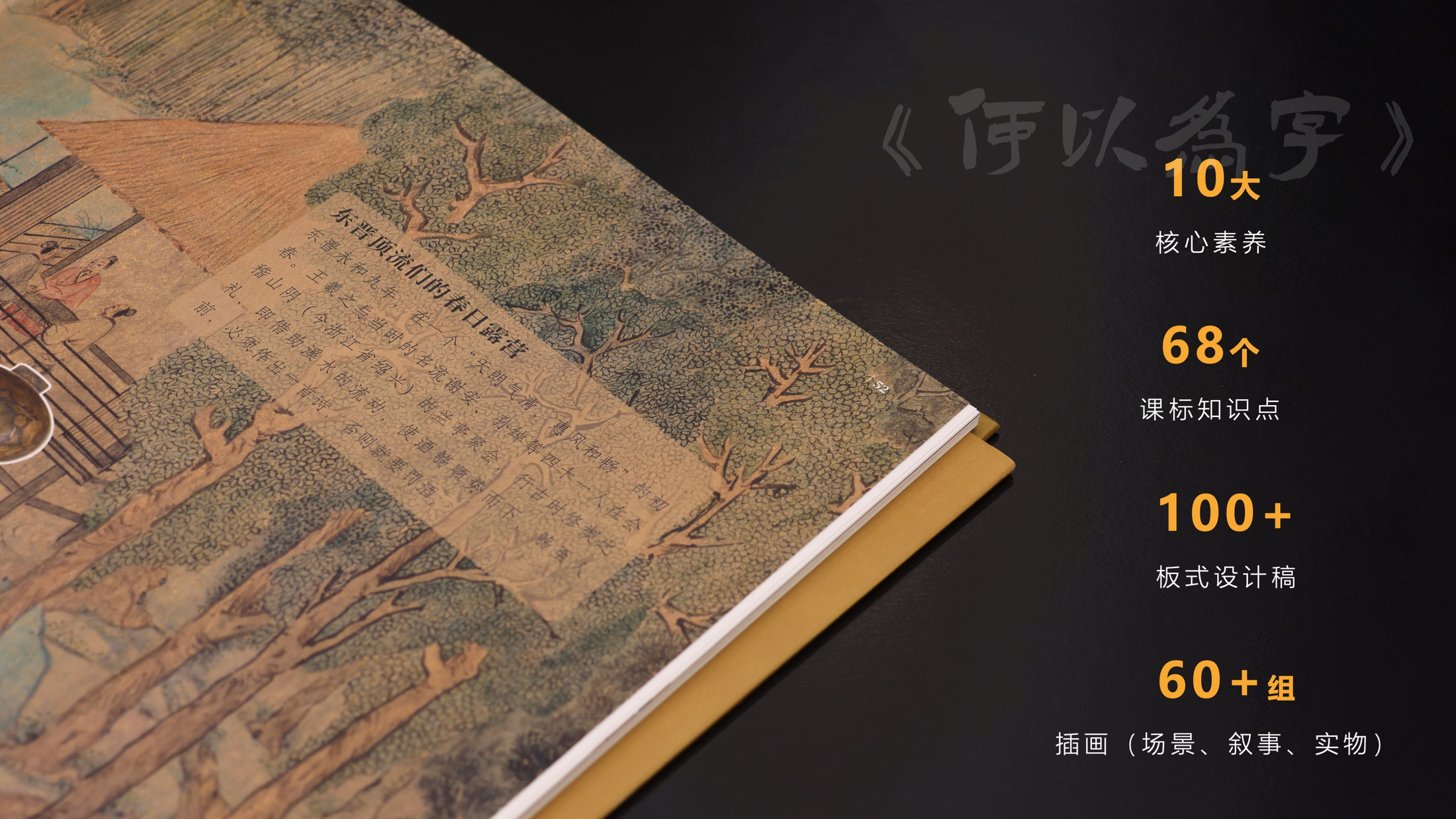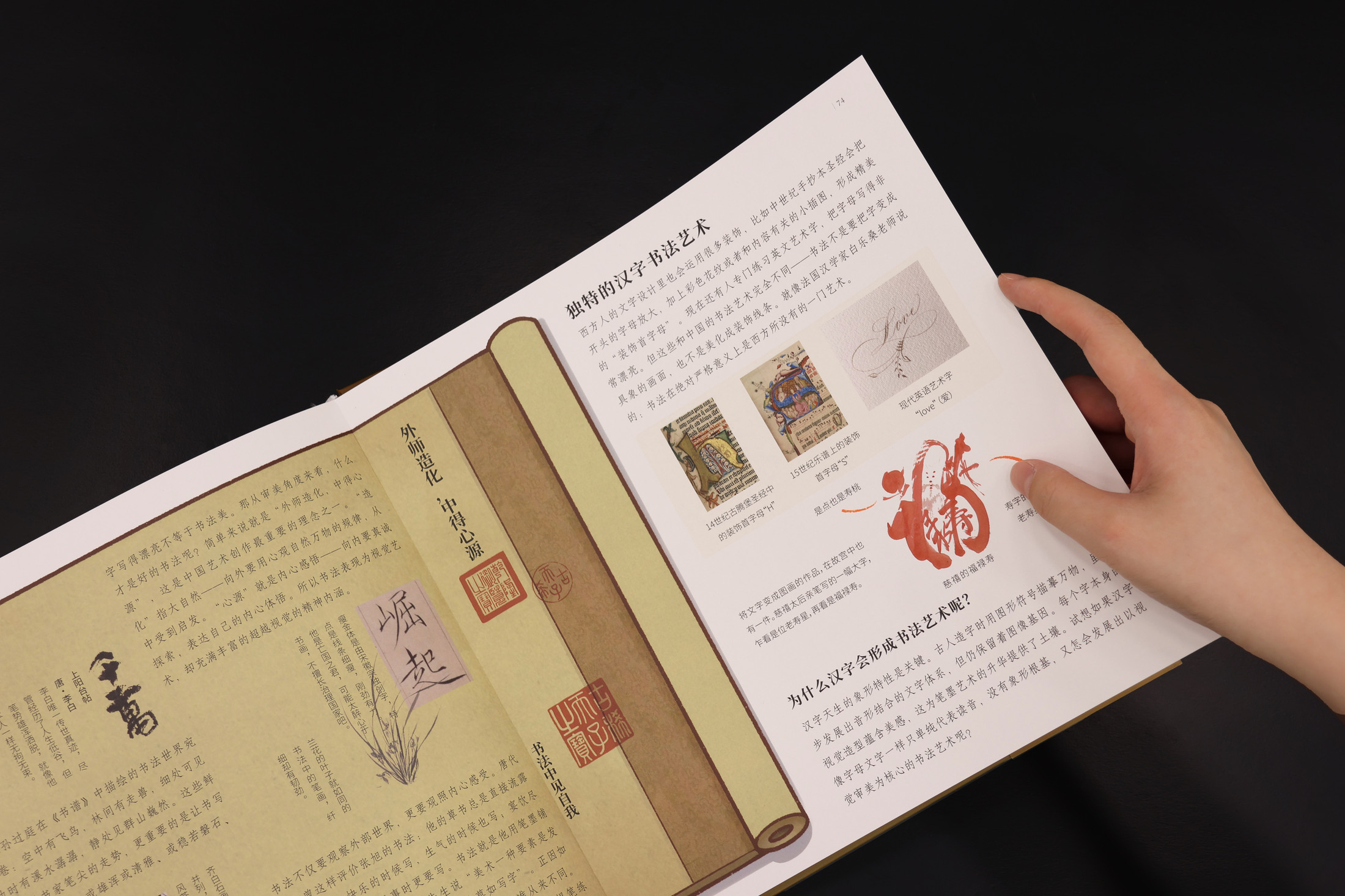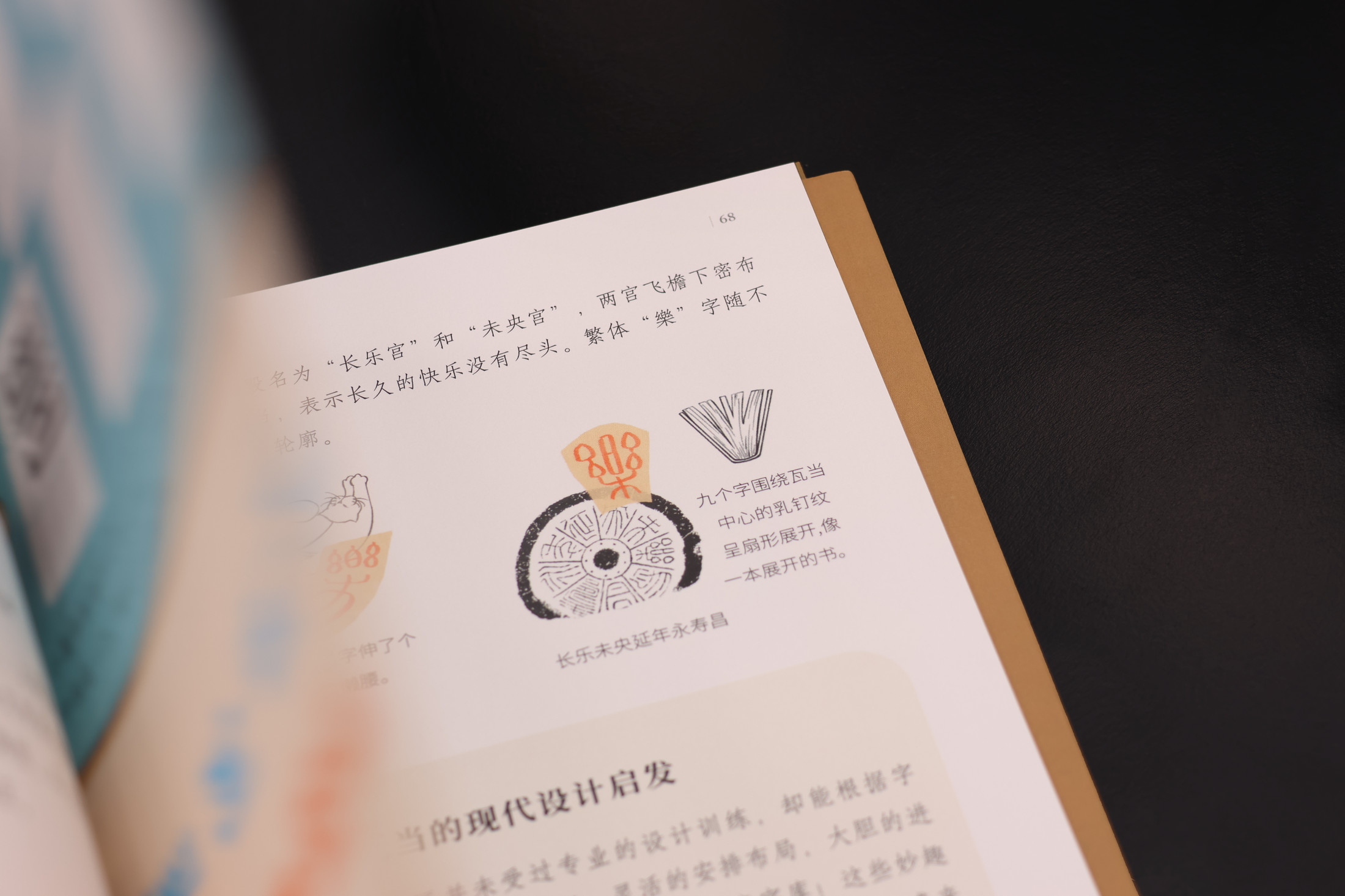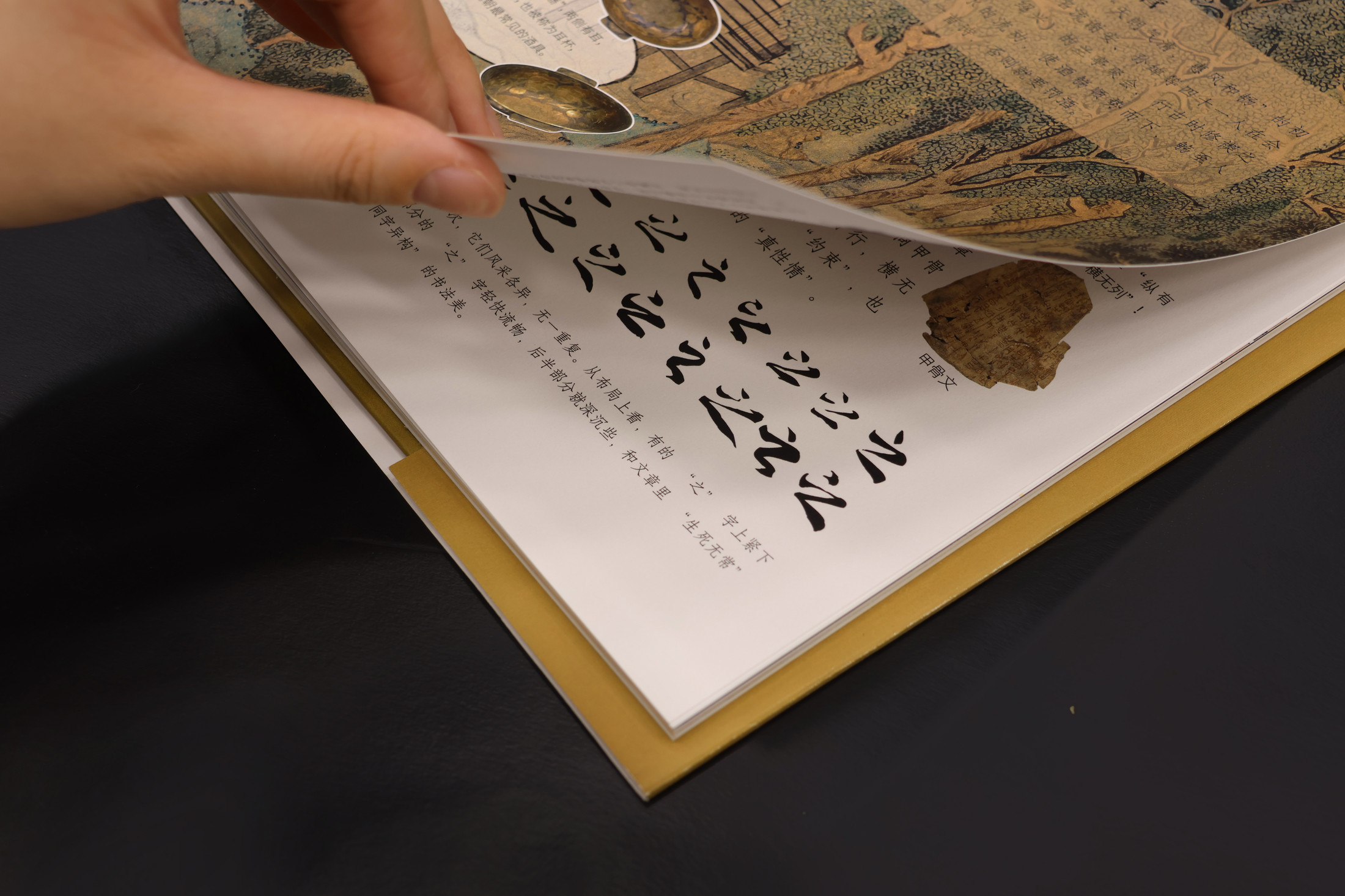
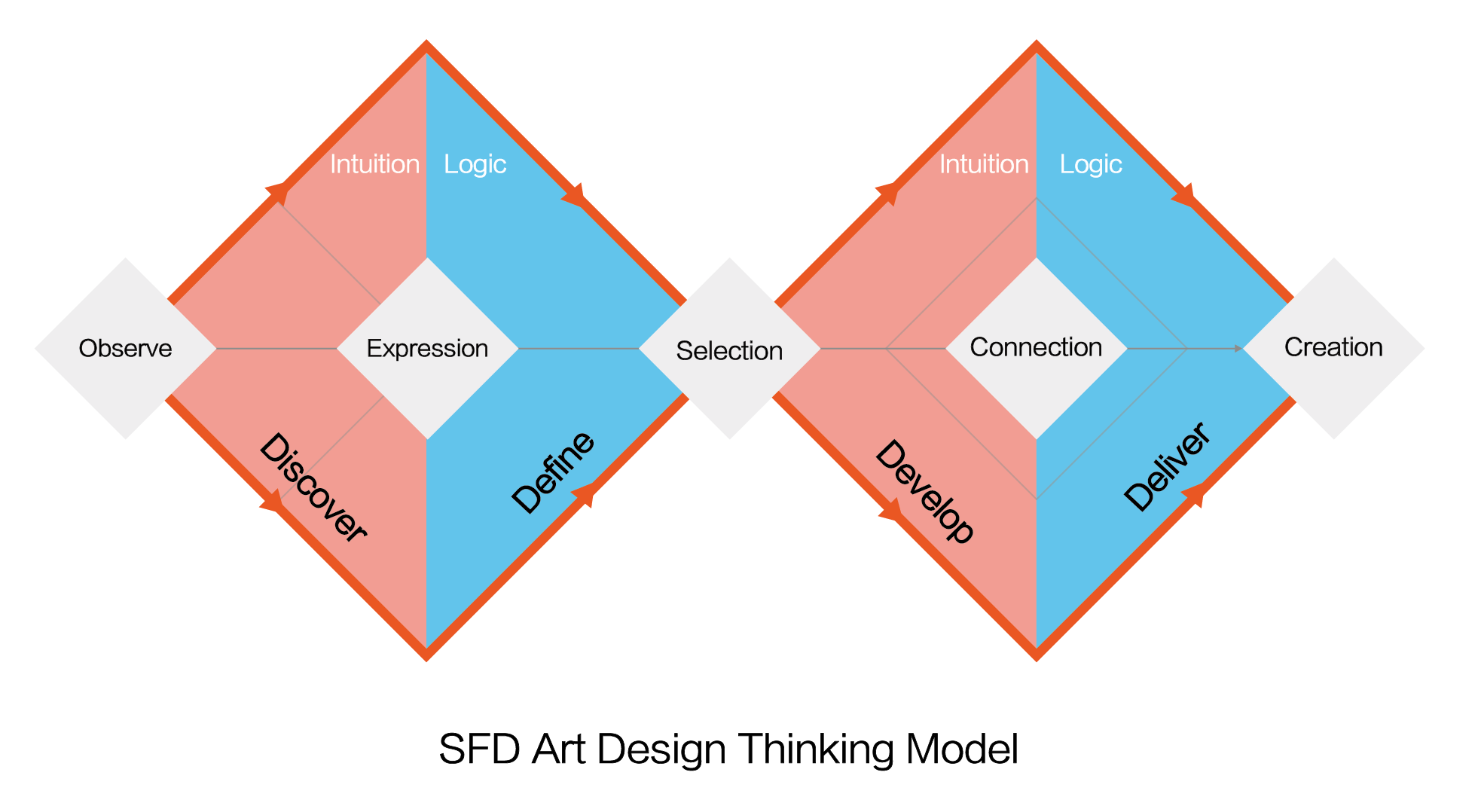
This book series is developed based on the “Art and Design Thinking Model” proposed by the Future Design School of Beijing Normal University. It aims to help young readers gradually develop artistic and design-oriented ways of thinking while deeply experiencing and learning about the rich and outstanding historical and cultural heritage of the Palace Museum.
With the perspective of “art and design thinking,” when we step into the magnificent and grand Palace Museum, what will we observe? What questions will we ask? And what answers might we discover? All of this awaits young readers to explore and uncover for themselves through reading.
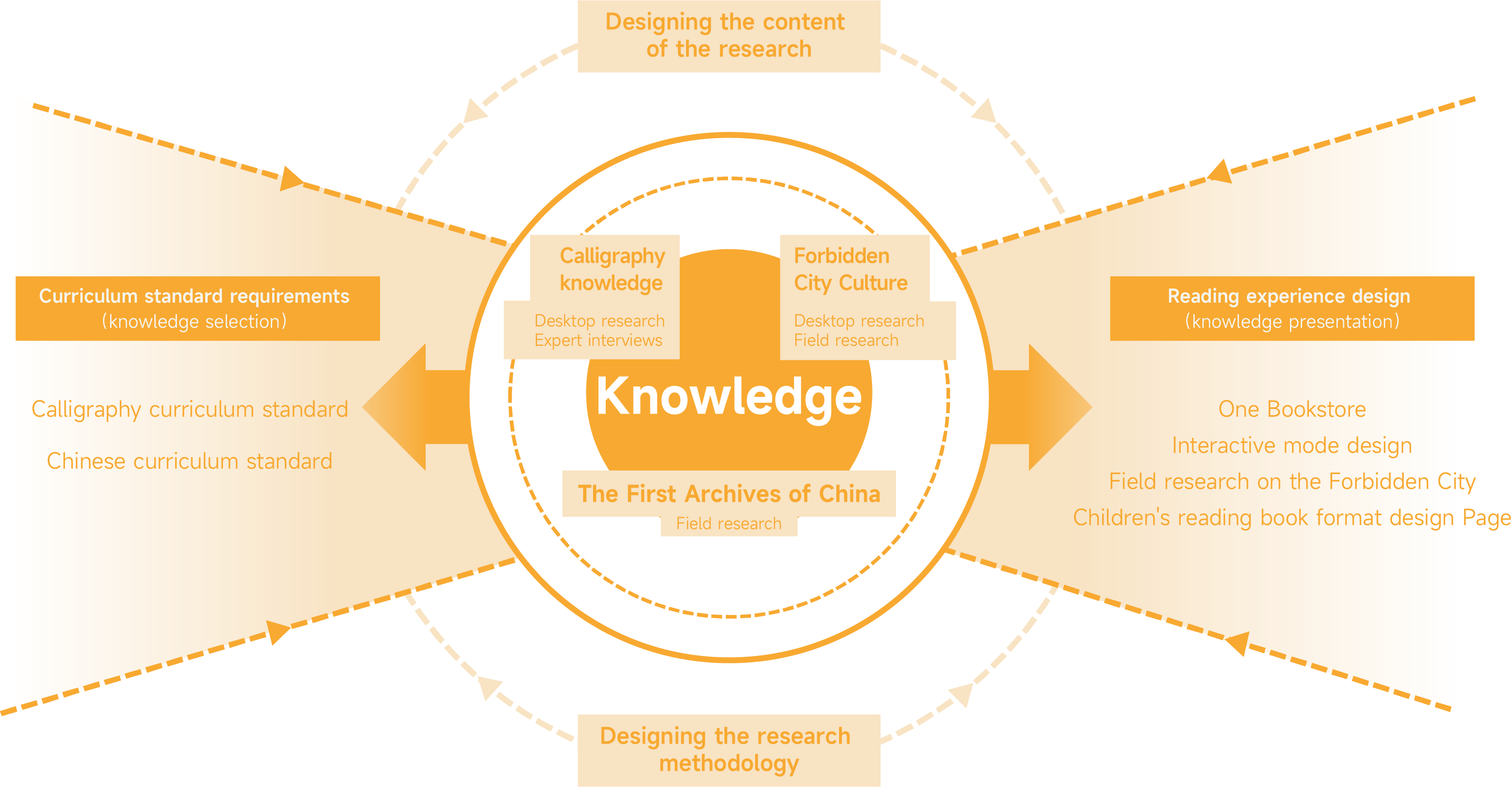
First, the knowledge content was systematically organized through research on the calligraphy found in The Palace Museum architecture (including on-site visits and literature review), as well as the extraction of curriculum-based learning points (drawing from art textbooks and Chinese language curriculum standards).
The design goal is to use the visible inscriptions on palace architecture as a concrete entry point, guiding young readers gradually toward more abstract knowledge-based explanations. This creates a progressive learning path that stimulates curiosity and interest. At the same time, the texts found throughout the palace can help readers recall content they have learned before, thereby strengthening memory and deepening understanding.
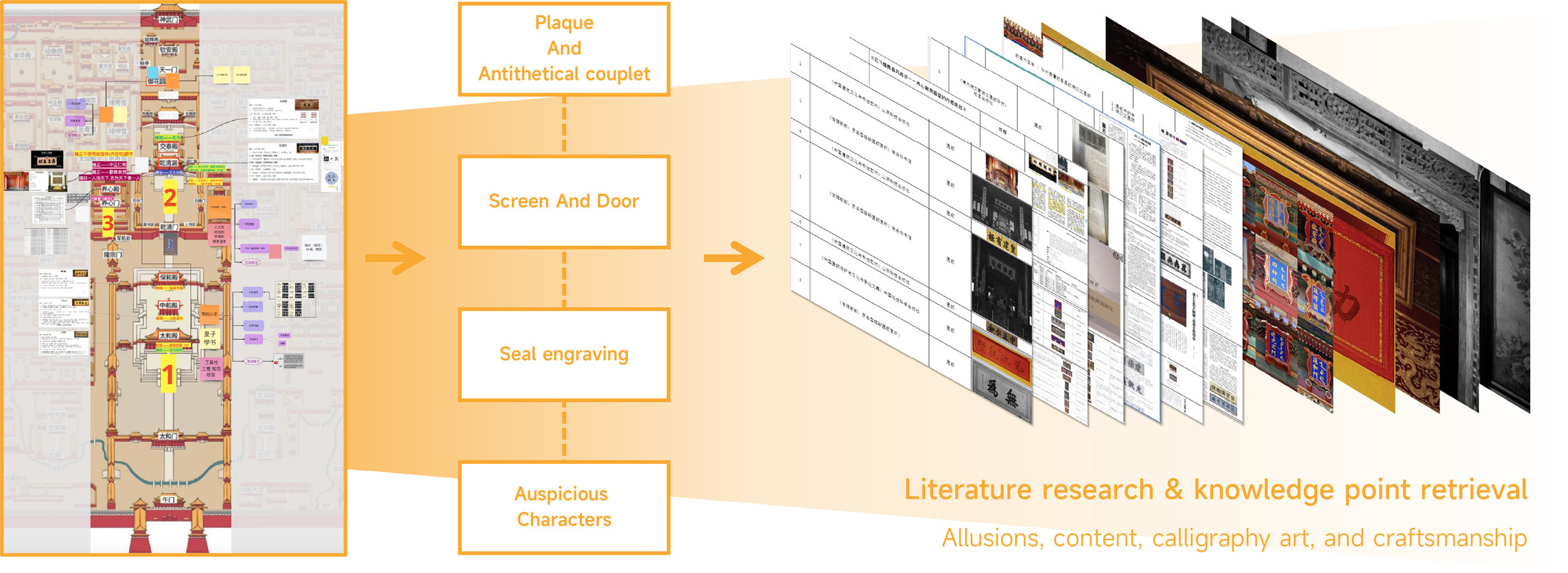
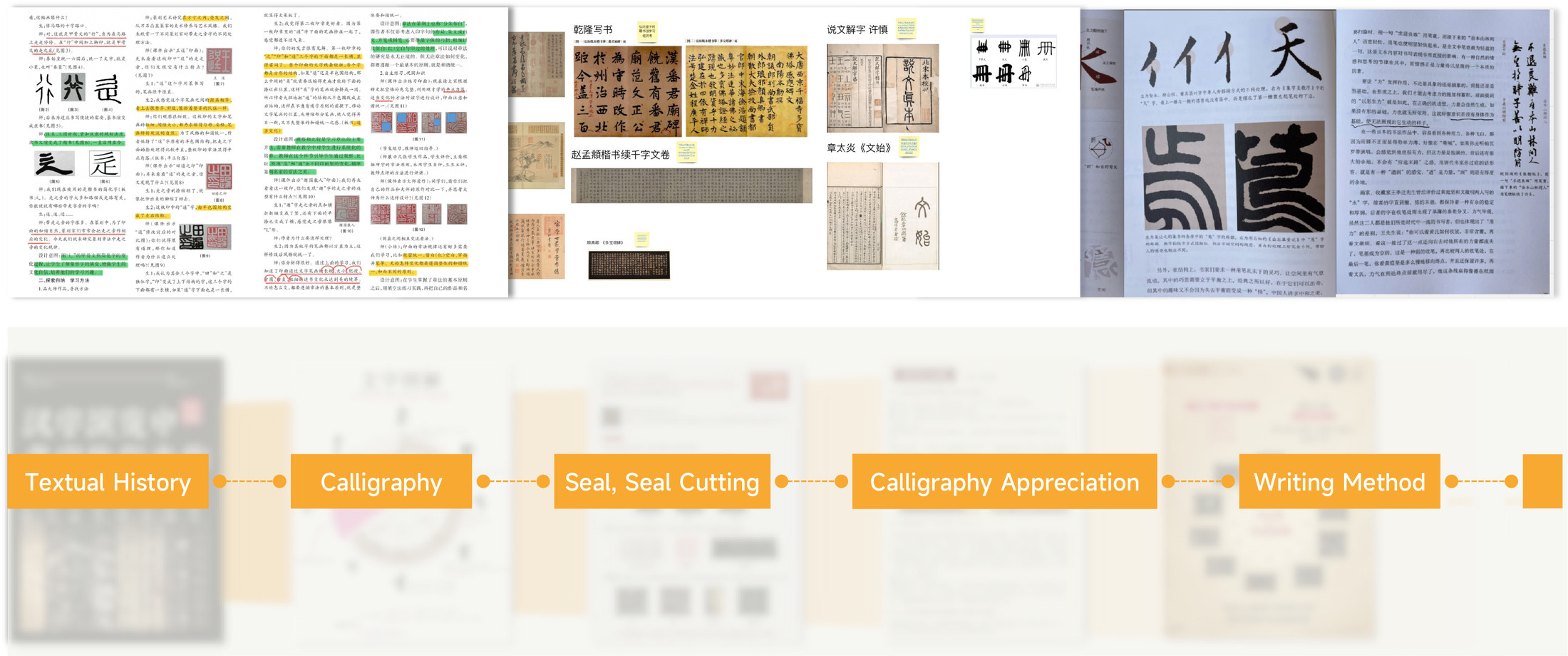
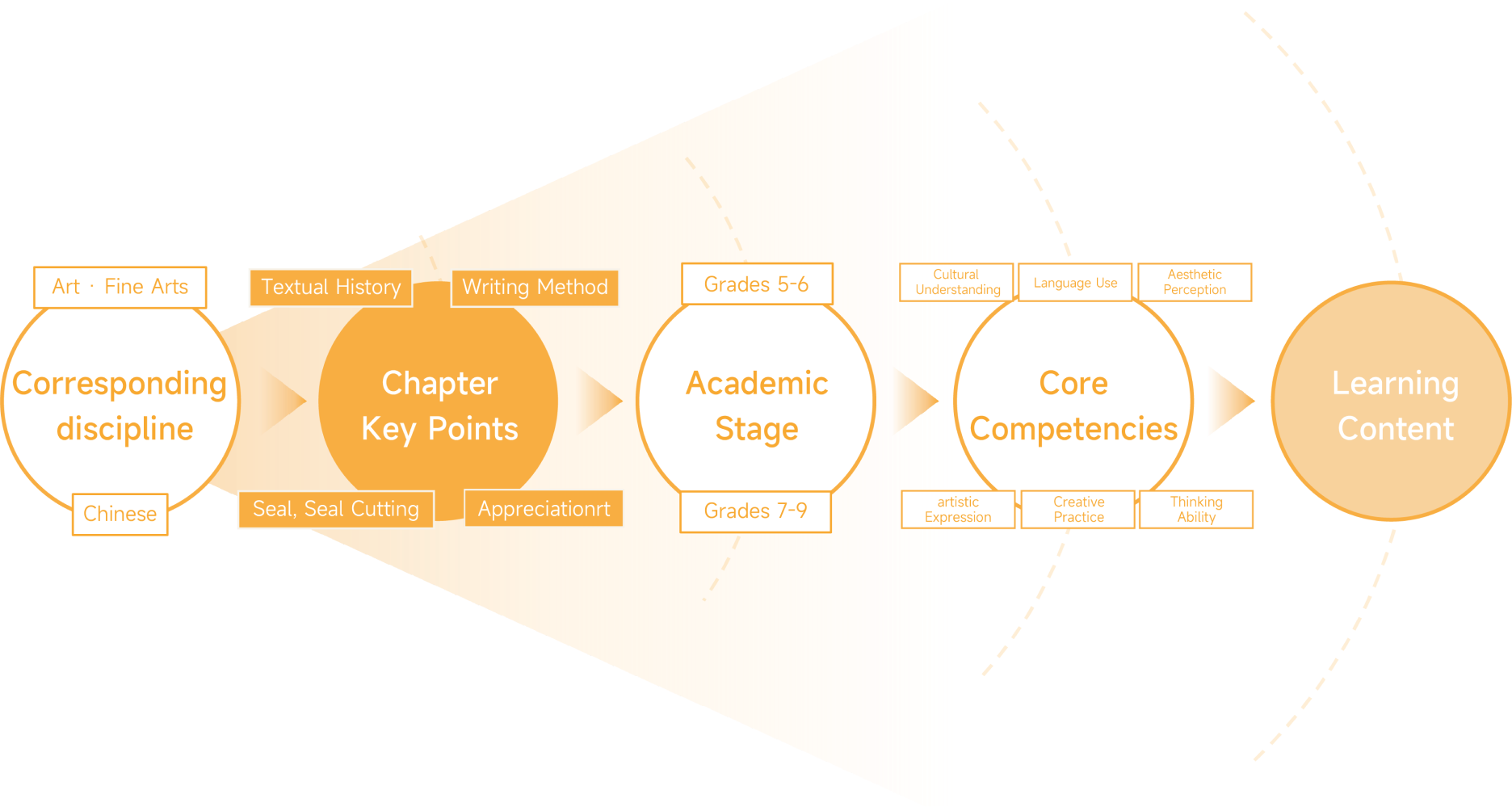
The process for curriculum standard review, extraction, and the integration of content information is outlined as follows: beginning with the alignment of relevant disciplines, primarily Art and Chinese Language, key chapter knowledge points are identified, including the history of Chinese characters, writing methods, seals and engraving, and calligraphy appreciation. These contents are then matched to appropriate learning stages, such as Grades 5–6 and Grades 7–9, ensuring age-appropriate progression. Based on this foundation, the material is further connected to core competencies, including cultural understanding, language application, aesthetic perception, artistic expression, creative practice, and thinking skills. Ultimately, this structured pathway helps define clear learning objectives and content requirements for the book.
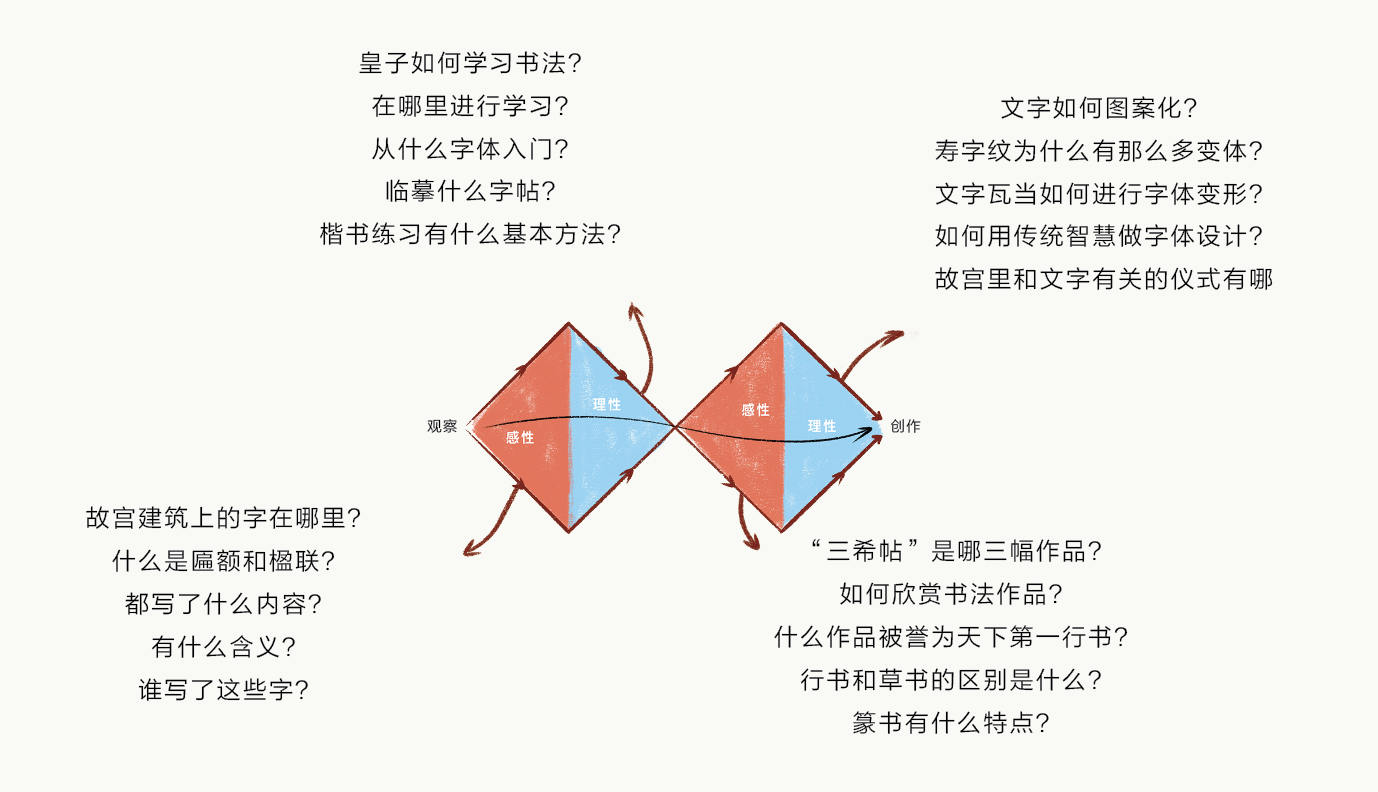
What Makes a Character: Exploring the Art of Writing in the Palace Museum invites young readers to discover the charm of Chinese characters and calligraphy within the Palace Museum. Built on the “Art and Design Thinking Model,” it blends intuition with logic on a journey of exploration.
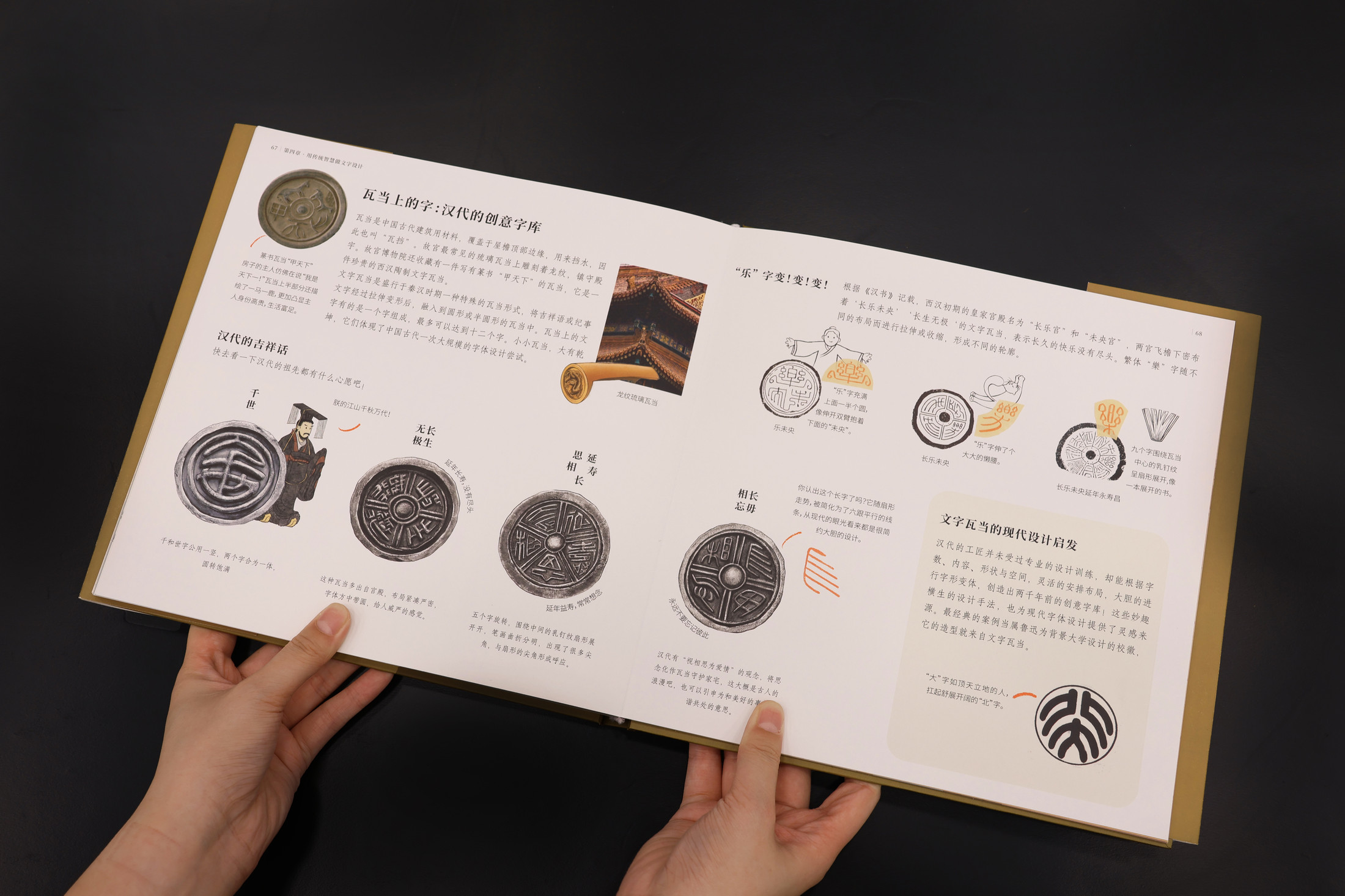
Readers begin by observing inscriptions on palace architecture—plaques, couplets, and spatial layouts—then follow imperial princes learning calligraphy to grasp its fundamentals and techniques. From there, they appreciate masterpieces in the Hall of Three Rarities and the seal-carving art of the Twenty-Five Imperial Seals. Finally, inspired by auspicious characters and inscribed roof tiles, readers take part in hands-on design activities, applying character composition, type transformation, and aesthetics to merge knowledge with creativity.